
Italian property title verification splits across two official registries, and international buyers often check only one of them by mistake.
The Catasto records fiscal and descriptive data, while the Conservatoria holds the deeds, mortgages, and liens that determine legal ownership. The fastest practical route is to run a visura or ispezione ipotecaria through the Agenzia delle Entrate’s online services, though anyone facing an unclear title, a foreign inheritance, or a cross-border purchase should engage a notary before relying on the results alone.
TL;DR:
- Buyers must check both the Catasto and Conservatoria registries to accurately verify property ownership and applicable encumbrances.
- Online searches require specific identifiers, such as codice fiscale and cadastral data, and may involve fees payable through pagoPA or local procedures.
- Inconsistencies between the two registries can indicate unresolved mortgages, prior transfers, or legal restrictions that need legal review before buying.
- A notary’s involvement is essential for confirming legal ownership, resolving discrepancies, and securely completing property transfers, especially for remote or cross-border transactions.
- Using professional services to interpret search results and handle transcriptions helps mitigate risks and ensures compliance with Italian property law.
Table of Contents
- Buyers face a two-registry problem before they even start
- Step-by-step: running a title search in Italy
- What you need before you start: documents and identifiers
- How to read your results and spot warning signs
- Limits, fees, and timelines to plan around
- When to bring in a notary, and how Cerini supports international clients
- Special cases: the tabular system and archive-only records
- Our take: pair the official check with notarial oversight
- How we can help with your title search
- Sources
- FAQ
Buyers face a two-registry problem before they even start
International buyers rarely arrive knowing that Italy splits property information across two separate systems, and that gap is where costly mistakes begin. Getting this distinction right at the outset saves weeks of confusion later, particularly for a buyer coordinating from abroad without local legal support.
The Catasto is a fiscal and descriptive registry: it tracks a property’s location, size, category, and taxable value, and it exists primarily for tax administration rather than legal proof. The Conservatoria, formally the public real estate registry, is where deeds get transcribed and where mortgages, liens, and judicial encumbrances become legally binding against third parties, as Agenzia delle Entrate’s ispezione ipotecaria service confirms.
- The Catasto answers “what is this property and what does it owe in tax.”
- The Conservatoria answers “who legally owns this property and what is attached to it.”
- Cadastral data alone is never proof of ownership, since fiscal records can lag behind or diverge from the legal transcription that actually establishes title.
Step-by-step: running a title search in Italy
A methodical search follows a fixed sequence, whether a buyer runs it personally or asks a professional to handle it.
- Choose the right online tool. Use the visura catastale service for descriptive and fiscal data, and the ispezione ipotecaria service for deeds, mortgages, and liens.
- Authenticate correctly. Personal consultations require SPID, CIE, or CNS credentials, while professionals with an Entratel or Fisconline convention, or access through the SISTER portal, reach broader and more detailed formats.
- Pick the search mode. A search by subject (persona) traces everything registered to a name, a search by immobile uses the cadastral identifiers, and a search by note targets a specific transcribed act, and each mode returns a different slice of the record.
- File Model 310 when working in person. Older or non-informatized records require an in-office request using Model 310, which office staff use to pull paper archives.
- Pay through pagoPA. Third-party searches carry a fee payable through the pagoPA system, and results for straightforward telematic requests are typically available within the same session, while archive-based requests take longer.
Pro Tip: Run the search by subject first when you suspect the seller may hold, or once held, the property under a different registered name or a prior marital status, since a search limited to the current address can miss relevant history.
What you need before you start: documents and identifiers
A search fails or returns incomplete results more often from missing inputs than from a wrong tool choice. Before beginning, gather the following.
- The codice fiscale of the person or entity being searched, since person-based searches depend on this identifier matching the registry.
- The cadastral identifiers, meaning foglio, particella, and sub, which pinpoint the exact parcel and any subunits like an apartment within a building.
- The completed Model 310 fields when requesting an in-office ispezione ipotecaria, including the property description and search parameters.
- SPID, CIE, or CNS credentials for personal online access, or an Entratel or Fisconline convention and SISTER access for professionals acting on a client’s behalf.
How to read your results and spot warning signs
A returned report is only useful once you understand what each entry means, and this is where many buyers without legal training misjudge a title. The Conservatoria’s notes distinguish a deed transcript, which records a transfer of ownership, from a mortgage (ipoteca) or a judicial annotation, which records a claim or restriction attached to the property.
- A deed transcript confirms a specific transfer took place and names the parties and date.
- A mortgage entry shows a lender’s claim against the property, which must be cleared or accounted for before a clean sale.
- A judicial annotation signals a dispute, seizure, or other legal restriction that can block a transaction until resolved.
- Inconsistencies between Catasto and Conservatoria happen because the two registries update independently, and a fiscal record can lag behind a recent legal transfer or renovation.
An unresolved mortgage, a conflicting prior transfer, or a missing transcript in the chain of title all call for immediate notarial or legal review before any funds change hands. Agenzia delle Entrate guidance notes that professionals routinely check both registries precisely because encumbrances can appear in the Conservatoria alone, a gap that catches foreign buyers who assume a cadastral check is sufficient.
Limits, fees, and timelines to plan around
Online searches only reach as far back as each local office’s informatization allows, and anything older sits in paper archives that require an in-office request. Certain provinces, including Trento, Bolzano, Trieste, and Gorizia, operate under the tabular system (sistema tavolare) rather than the national transcription model, so they fall outside standard telematic ispezioni ipotecarie and need local procedures instead, according to the Agenzia delle Entrate’s online assistance guidance.
| Situation | Access method | Cost |
|---|---|---|
| Search on your own property | Online, SPID/CIE/CNS | Exempt from tribute |
| Search on a third party’s property | Online, pagoPA | Paid per pagoPA schedule |
| Pre-informatization records | In-office, Model 310 | Paid, in-office fee |
| Tabular system provinces | Local procedure | Cost varies by local office |
When to bring in a notary, and how Cerini supports international clients
A notary’s role goes beyond drafting a contract: Italian law requires a notary to run a preventive legality check before a deed is signed, confirming the seller’s title, the absence of undisclosed encumbrances, and the correct transcription of the act in the Conservatoria afterward. That transcription is what gives the buyer’s ownership legal protection against later claims from third parties, an explanation covered in more detail in our notary duties for property purchase guide.
Several situations call for professional help rather than a do-it-yourself search.
- An unresolved mortgage or annotation appears on the property.
- The seller inherited the property and the succession chain is not fully documented.
- Historical records predate informatization and require an archive search.
- The buyer is purchasing remotely and cannot attend an Italian office in person.
A notary office can work with international clients in English, commission and interpret visure and ispezioni on a client’s behalf, arrange remote powers of attorney for those who cannot travel, and hold funds through a notarial escrow account during closing. To start, a client typically sends identification documents, the property’s cadastral identifiers, and a short summary of the situation, which lets the notary scope the search and flag any issues before proceeding, as outlined in our Italian deed notarization from abroad guide.
Pro Tip: Send the property’s foglio, particella, and sub numbers along with your query, since a notary can move much faster with exact identifiers than with an address alone.
Special cases: the tabular system and archive-only records
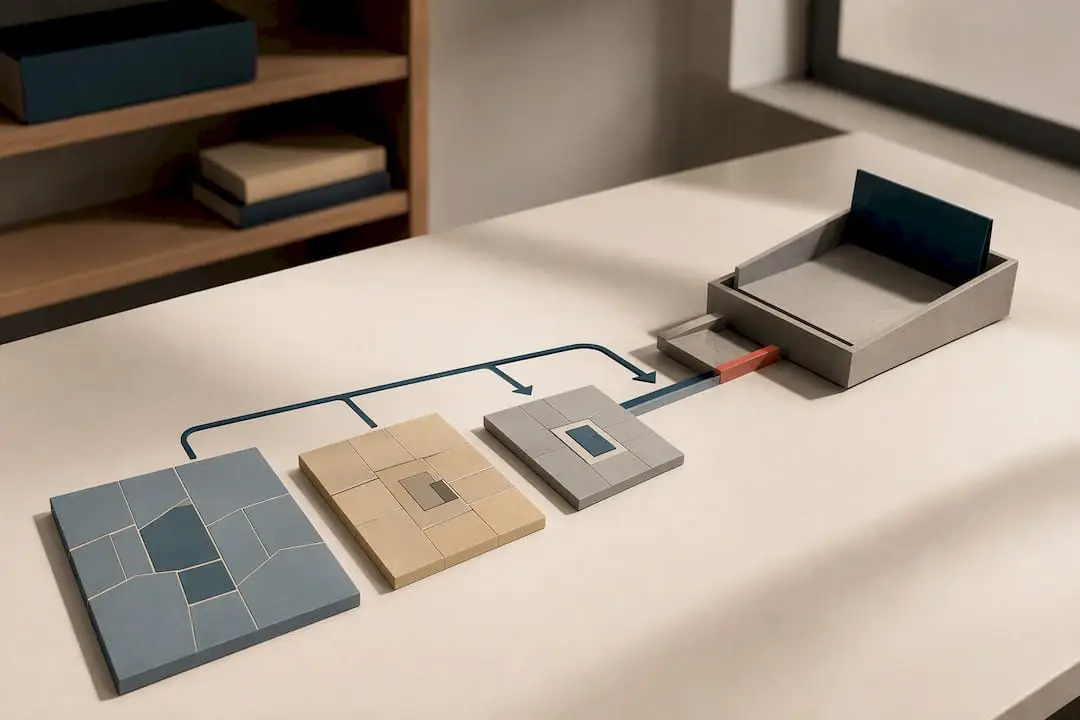
A handful of Italian provinces run on the tabular system rather than the standard transcription model, and searches there follow a different logic tied to the sistema tavolare rather than the national Conservatoria.
- Properties in Trento, Bolzano, Trieste, and Gorizia require local tabular office procedures instead of the standard national search.
- Where digital records are incomplete elsewhere in Italy, commission an in-person archive search or work with a professional who has direct access to the local Conservatoria.
- Budget extra time for these cases, since archive consultation and tabular procedures move slower than a telematic search.
Our take: pair the official check with notarial oversight
Running an online visura or ispezione is the right starting point, and it is free for your own property, but treating that result as final is where risk creeps in. Combining the official search with a notary’s legality check catches the gaps between Catasto and Conservatoria before they become a closing problem, and a remote power of attorney lets clients abroad move through this without a flight to Italy. Any inconsistency in the Conservatoria’s notes deserves resolution before you sign, not after.
— team
How we can help with your title search
Once a search turns up a question mark, whether it is a mortgage nobody mentioned or a succession chain that never got transcribed, having a notary already engaged means the answer comes from someone with authority to act on it, not just report it.
Cerini Notary Office supports international buyers and companies through each stage of this process.
- Commissioning and interpreting visure catastali and ispezioni ipotecarie on a client’s behalf.
- Drafting notarial powers of attorney so clients can complete a purchase without traveling to Italy.
- Setting up a notary escrow account to hold funds securely during the transaction.
- Coordinating the final transcription with the Conservatoria to close out the title chain.
All of this runs in English, with remote workflows built for clients who are not based in Italy. If your search has raised questions, or you would rather have a professional run it from the start, reach out to Cerini Notary Office at ngcerini@notaryinitaly.com for a consultation on your specific case, or review our Purchase and Sale of Real Estate in Italy service for the full scope of support available.
Sources
The Agenzia delle Entrate’s ispezione ipotecaria online service and its visura catastale online tool are the starting points for most searches. The public-registries guide covers Model 310 and archive procedures in full, and payments for third-party searches go through pagoPA.
This article is general information, not a substitute for advice from a qualified lawyer. Consult a qualified legal professional about your own circumstances before acting on anything here.
- Cittadini – Ispezione ipotecaria online – Agenzia delle Entrate
- Ispezioni ipotecarie di immobili non di proprietà – Assistenza ai Servizi Online
- Il Sistema della Pubblicità Immobiliare (Agenzia delle Entrate PDF)
FAQ
How do I check who legally owns a property in Italy?
Run an ispezione ipotecaria through the Agenzia delle Entrate’s online service, since the Conservatoria’s transcriptions, not the Catasto, establish legal ownership. A notary can also run and interpret this search on your behalf if you need certainty before signing anything.
How do I search for a specific property in Italy?
Search by immobile using the property’s cadastral identifiers, foglio, particella, and sub, through the visura catastale or ispezione ipotecaria services. You can also search by subject if you know the owner’s codice fiscale, or by note if you have a specific transcribed act to trace.
Can I trace family property history in Italy through these registries?
Yes, searching by subject (persona) using a relative’s name or codice fiscale can trace properties they held, though records before the local office’s informatization cutoff require an in-office request using Model 310. A notary experienced in cross-border succession can help piece together older or fragmented records.
What is the easiest way to find out who owns a property in Italy?
The most direct route is an ispezione ipotecaria through Agenzia delle Entrate if you have SPID, CIE, or CNS access, or asking a notary or professional to run it for you. This avoids the confusion of relying on Catasto data alone, which does not itself prove legal ownership.
Do I need a notary to complete a title search in Italy?
A notary is not required to run the initial online search, but Italian law does require one to complete the legality check and transcription when finalizing a property purchase. Cerini Notary Office runs and interprets these searches in English for international clients, including remote cases handled through a power of attorney.
Recommended
- Best Way to Title Italian Property for Buyers
- Buying Property in Italy as a Foreigner: Step-by-Step Legal Guide
- How to Notarize an Italian Deed From Abroad
- Italian Notary Fees
The information provided here is general in nature and does not replace professional assistance. Reading this content does not create a professional-client relationship.